

When we think of great composers, we often picture brilliant minds hunched over manuscripts, quill in hand, effortlessly writing out symphonies from memory. Music notation seems inseparable from composition—like words to a novelist. But this isn’t necessarily always the case. Surprisingly, some highly successful composers never learned to read or write music in the traditional sense.
Their stories remind us that musical genius doesn’t always follow the rules. Inspiration, instinct, and innovation can sometimes outshine formal education. In this article, we explore a few notable figures who achieved musical greatness without mastering the dots and staves.
Irving Berlin (1888–1989)
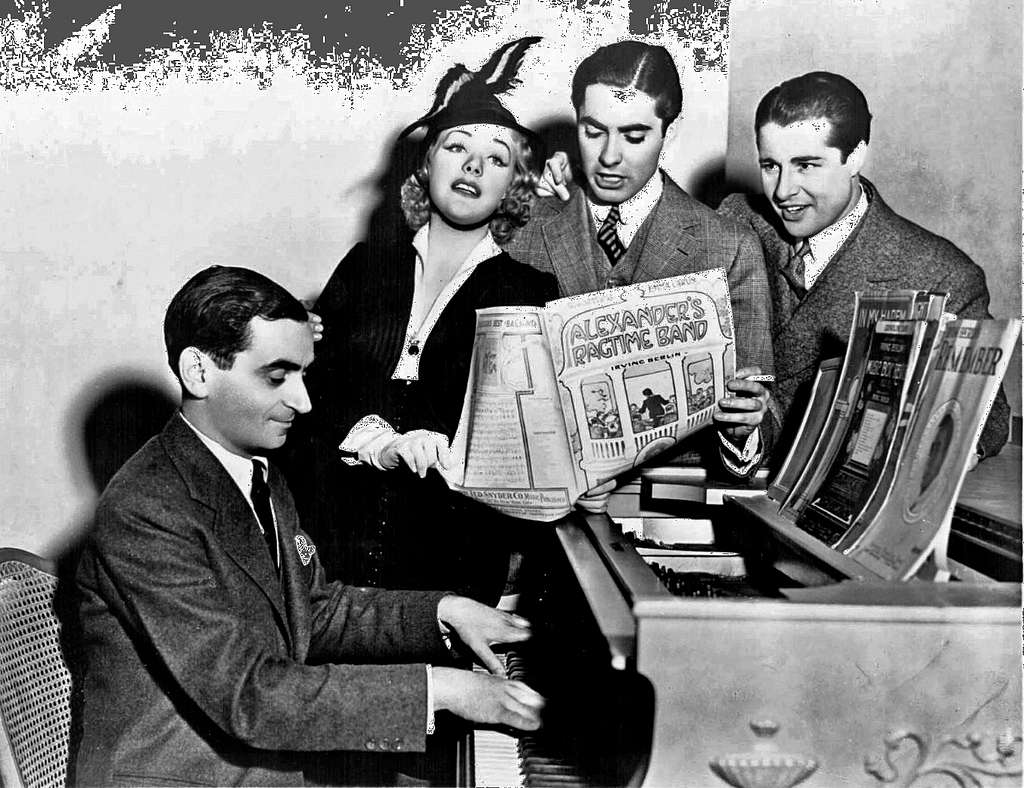
Irving Berlin is one of the most prolific and influential songwriters in American history. He wrote over 1,500 songs, including iconic hits like White Christmas, God Bless America, and There’s No Business Like Show Business. Yet, Berlin couldn’t read or write standard music notation.
Instead, he composed using a specially designed transposing piano with a mechanism that allowed him to play in only one key – F-sharp major – while adjusting the pitch mechanically. When it came time to publish or orchestrate his songs, he relied on professional arrangers and copyists to transcribe his work.
Berlin himself once said, “I write by ear. I can only play in F-sharp because that’s where the black keys are. But I can hear the rest.”
Paul McCartney (1942– Present)

Paul McCartney—one of the key creative forces behind The Beatles—still can’t read or write traditional music. Along with John Lennon, McCartney composed some of the most beloved songs of the 20th century, from Yesterday to Let It Be and Hey Jude, entirely by ear.
Despite having an intuitive sense of harmony, melody, and structure, McCartney has admitted in interviews that music theory was never his thing. “None of us could read music,” he said of The Beatles. “Not one of us. It didn’t help us, because we did it another way.”
His compositions were often worked out on piano or guitar, with the band developing arrangements collaboratively. Scores were later created by arrangers, especially for orchestral or film work, but the original spark always came from sound and instinct.
Elvis Presley (1935–1977)

Elvis Presley, known as the King of Rock ‘n’ Roll, changed the landscape of popular music forever. But he never learned to read music. Like many early rock and blues musicians, Elvis played and sang entirely by ear.
He famously said, “I don’t know anything about music. In my line, you don’t have to.” His gift was in his voice, his stage presence, and his deep connection to rhythm and emotion. He could hear a song once and perform it flawlessly.
Elvis collaborated with songwriters, producers, and session musicians who handled the technical details, but his interpretations brought the music to life in ways no notation ever could.
Michael Jackson (1958–2009)

Michael Jackson, often referred to as the King of Pop, composed many of his greatest hits without reading or writing music in the conventional sense. He didn’t play instruments fluently either, but his musical ideas were vivid and complete in his mind.
Jackson would beatbox rhythms, hum melodies, and sing instrumental parts to producers, who would help translate his ideas into full arrangements. Songs like Billie Jean, Beat It, and Don’t Stop ‘Til You Get Enough were born from this process.
Producer Quincy Jones, who worked closely with Jackson, confirmed this. “Michael would sing us every part of the arrangement, from strings to percussion. He had the entire thing in his head.”
Jimi Hendrix (1942–1970)
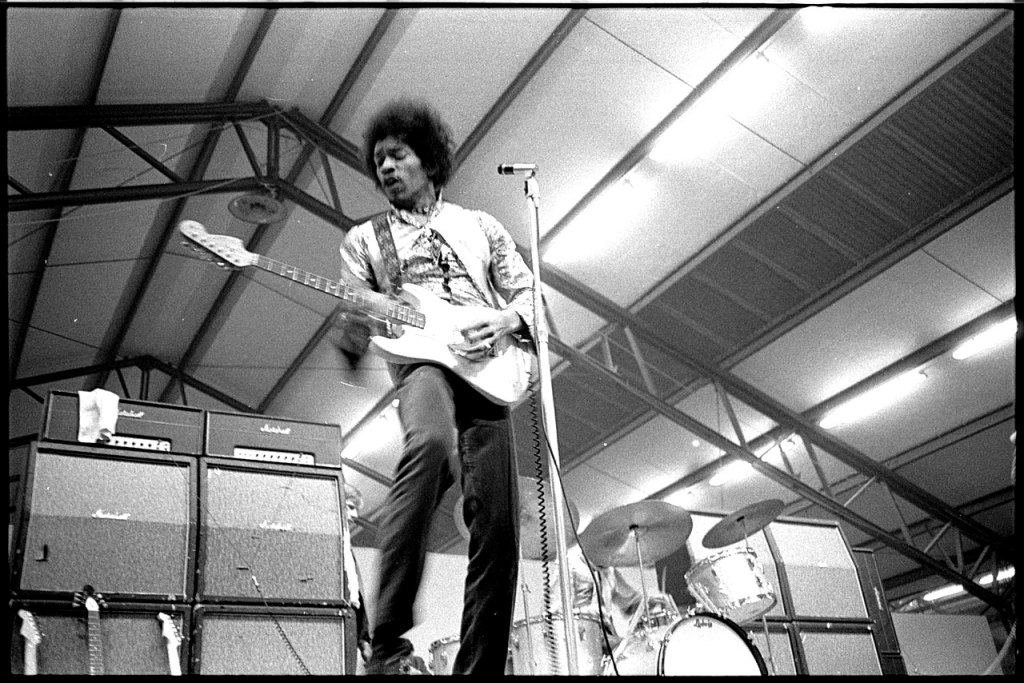
Considered one of the greatest guitarists in history, Jimi Hendrix also never learned to read music. His understanding of harmony and musical form came from listening, experimenting, and sheer instinct.
Hendrix developed his craft by playing by ear and absorbing sounds from blues, jazz, and rock. His performances and recordings—like Purple Haze and All Along the Watchtower—are still studied today for their innovation and emotional depth.
He reportedly once said, “I just write what I feel. I don’t read music. I can’t write it either. But I can hear it.” That ear-driven approach allowed him to bend musical conventions and create something utterly original.
What These Stories Tell Us
The success of these musicians challenges a common assumption—that reading and writing music is essential to being a composer. While it certainly helps, especially in classical and orchestral settings, it isn’t the only path.
These artists found other ways to bring their music to life: through collaboration, intuition and creativity. Their stories show that music is, at its heart, a form of expression. If you can hear it, feel it, and share it, the technical part can come later—or be handled by someone else.
Should You Learn To Read Music?
If you’re a budding musician or composer, does this mean you should skip learning notation? Not necessarily. Being able to read and write music opens many doors, especially if you want to work across different genres or collaborate with classically trained performers.
But if you struggle with theory, don’t be discouraged. Music is ultimately an aural art. Whether you’re humming into your phone, playing chords on a loop pedal, or scribbling lyrics on a napkin, what matters most is the music itself.
As these iconic composers prove, a lack of formal training doesn’t have to be a barrier—it can even be part of your unique voice.
 Superlocrian
Leave a comment